

QR code entry systems are a growing access control method businesses are using, no matter their size, purpose, or industry. The cost-efficiency of QR codes makes them a simple and effective security tool for every business. They are very easy to use, as all you need is your mobile phone or access card with the QR code and the QR code reader. Whether used as part of a QR code door entry system or for managing check-ins and short-term access, QR codes are a fast and convenient way to grant and manage access.
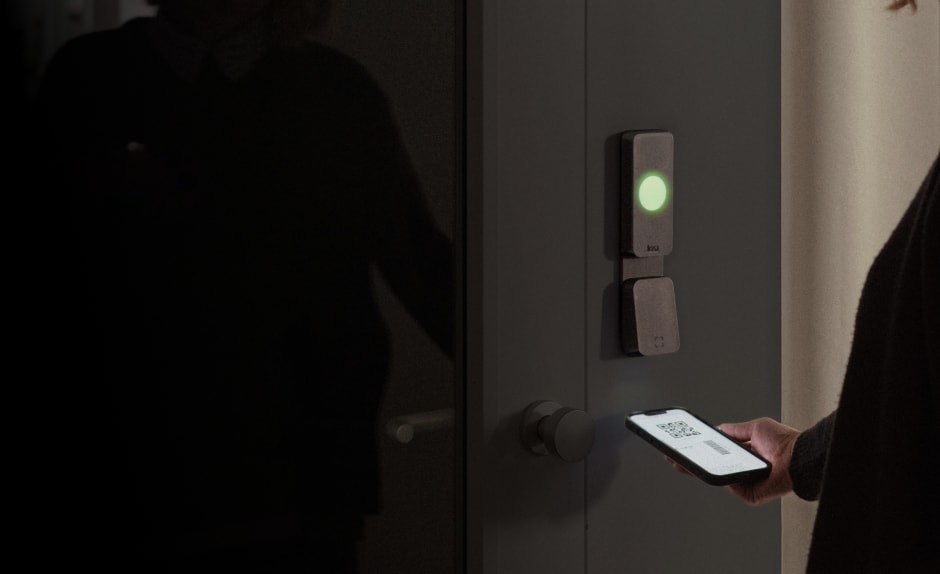
What are QR code access control systems? #
Access control systems come in many shapes and forms, including plastic ID cards, biometric scans, and security codes. QR code access control systems are simple, quick, and accurate - making them one of the more efficient systems to use.
By scanning a QR code, access is granted to specific areas, doors, or resources within a facility. These QR code access systems help regulate visitors and keep track of how spaces are being used within the building.
Additionally, these codes can also be used for QR building access as part of a QR code entry system. They are able to link up with gates and doors to determine which QR code holders can enter facilities. This is particularly helpful in restricting visitors to certain areas of a building. QR building access can help in maintaining the order and flow within a workspace.
How do QR codes work with access control systems? #
Access control systems operate with a QR code reader. After receiving a QR code, you can scan it on the reader, and it will grant you access to the building or certain areas within the facility.
After scanning the QR code, the reader captures the unique data stored in the code and sends it to the access control system for verification. This typically involves the controller and cloud-based system, where the credential is checked against user permissions, access rules, and time restrictions.
If the data in the code matches an active credential with the correct permissions, the system grants access to the individual who scanned the code. If not, access is denied.
This allows for a more secure and controlled environment, as building access is only granted when the defined security conditions are met.
QR code door access with Kisi #
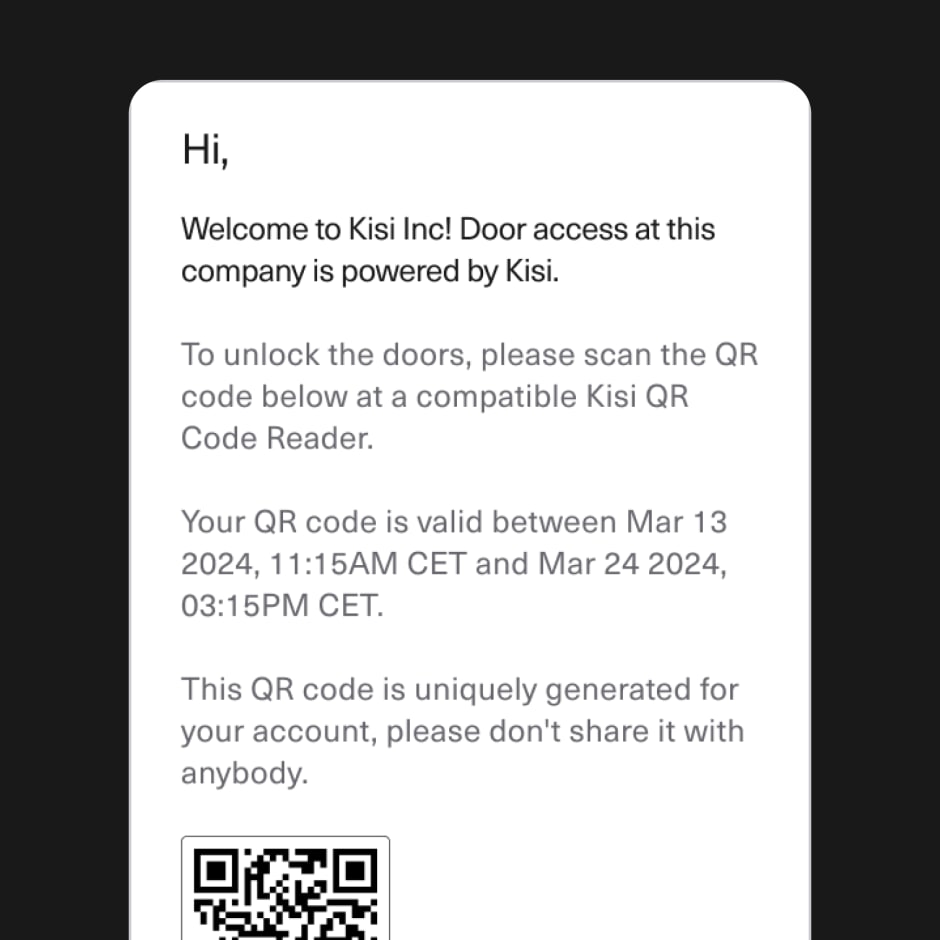
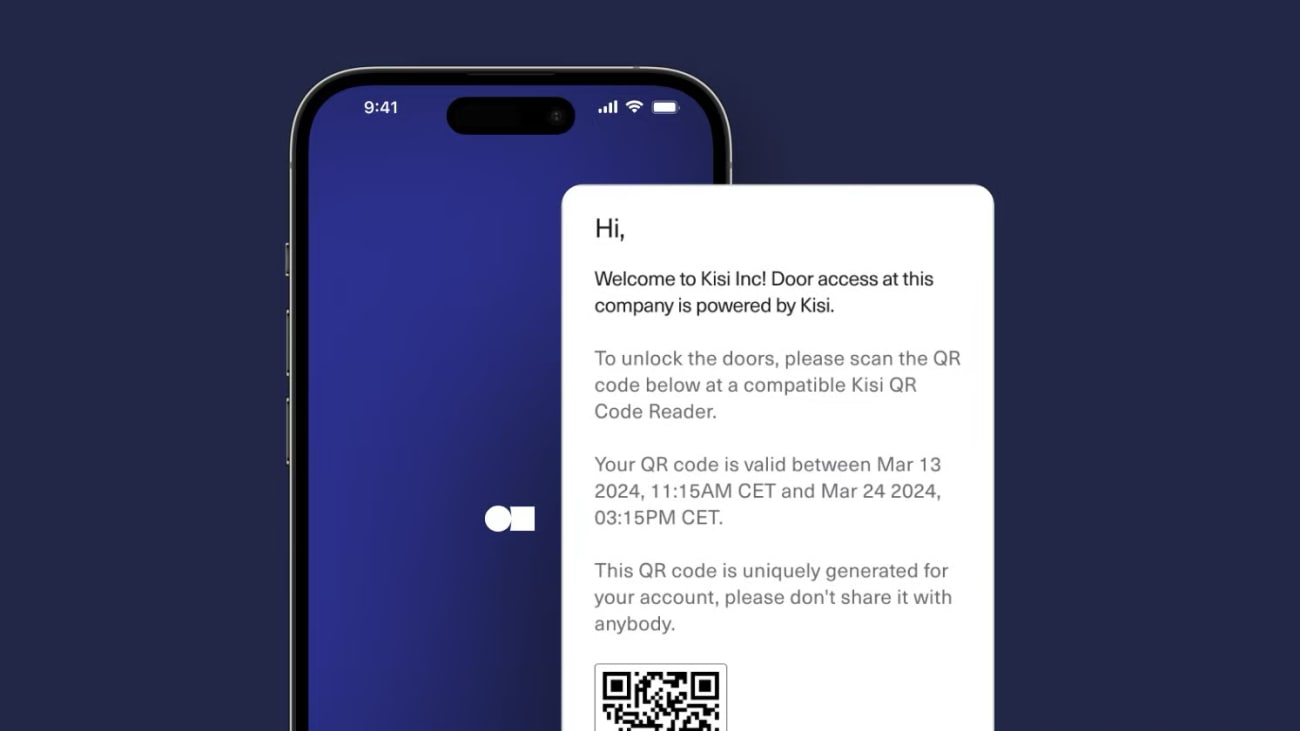
Using QR code door readers, you can create QR codes that represent Kisi credentials. These QR codes function as digital credentials that can be generated and shared through the Kisi platform. This allows users to unlock doors by scanning the code and makes it easy to grant access without requiring a physical keycard or mobile app, expanding the range of the Kisi access control system.
Why integrate QR access control with Kisi? #
QR access is great for visitors, given that QR codes can be easily generated and shared via email or printed out, and in some configurations can work offline. Expanding the available access methods, Kisi’s Terminal Pro also includes a QR code reader, enabling seamless QR-based entry alongside mobile and card-based credentials. The QR access addition enables you to:
- Easily generate QR codes and send them by email or print them.
- Swiftly manage visitor access without them having to download the Kisi app or rely on mobile credentials.
- Set a time and space limit or deactivate the QR code at any time.
Ways to use QR access control with Kisi #
Terminal Pro
If you’re looking for an all-in-one access solution that also supports QR code door entry, the Terminal Pro is the most efficient, easy-to-deploy reader on the market. It provides seamless unlock and check-in methods to ensure frictionless entry while reducing operational overhead. It covers a variety of access methods, including mobile and contactless unlocks, badges, QR codes, and even employee badges in Apple Wallet.
As a native QR-compatible reader within the Kisi ecosystem, Terminal Pro allows QR codes to be used as digital credentials alongside other access methods, making it especially useful for managing visitor access and temporary entry without additional hardware.
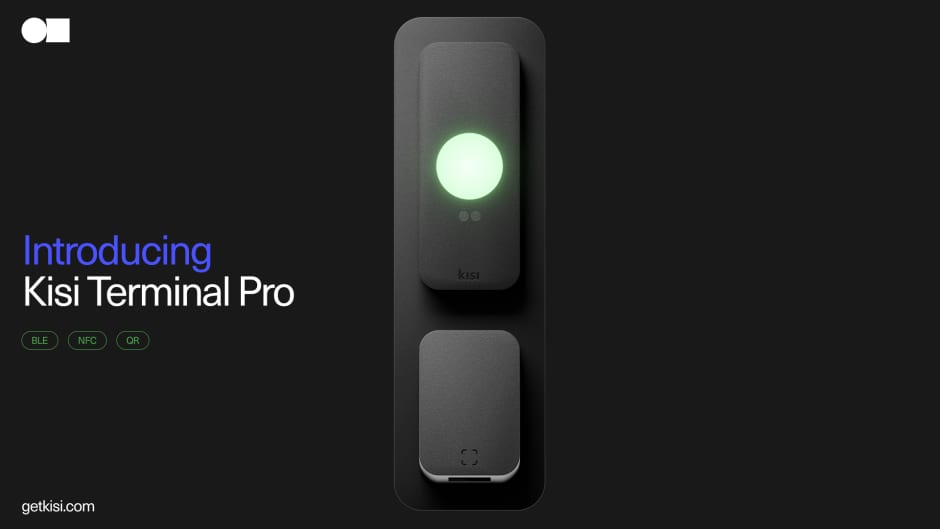
Why choose the Terminal Pro for QR access:
- Seamless employee and visitor experience: The Terminal Pro offers ultimate flexibility by enabling multiple unlock methods and accommodating diverse access control scenarios.
- Easy to deploy and operate: The system is scalable, allowing easy deployment, expansion, or modification of access capabilities without major infrastructure changes.
- Reduce overhead: This QR code system streamlines administrative tasks like access provisioning, management, and revocation, minimizing manual efforts and operational costs.
Third-party QR reader with Kisi installation
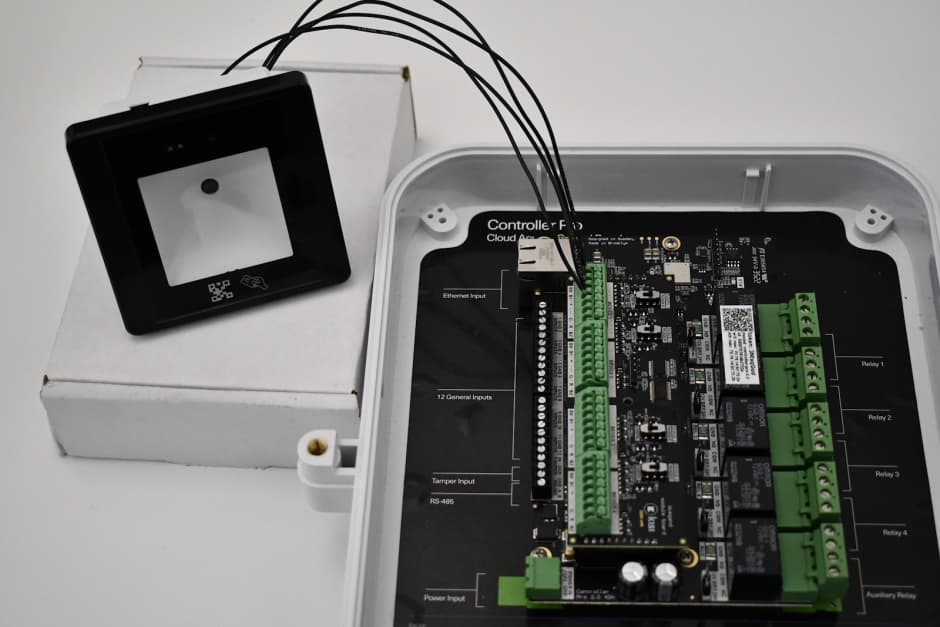
If you’re only looking to enable QR code access, or want to integrate an existing setup, you can connect a third-party QR reader with Kisi. This method uses a Wiegand-compatible QR scanner and treats QR codes as card-based credentials within the system.
Be sure to unplug the controller before wiring anything. For this installation, you’ll need:
- Kisi Controller Pro 2
- Kisi Wiegand board
- QR code scanner (Wiegand-compatible)
- Small flathead screwdriver
Hardware setup
- Ensure the controller is unplugged.
- Attach the Wiegand board to the controller.
- Wire the QR scanner to the Wiegand board, connecting the D0, D1, +/12V, and -/GND ports.
- Ensure the Wiegand channel is correctly configured in the Kisi dashboard and, if using legacy hardware, check that the physical toggle matches the 'Reader' input.
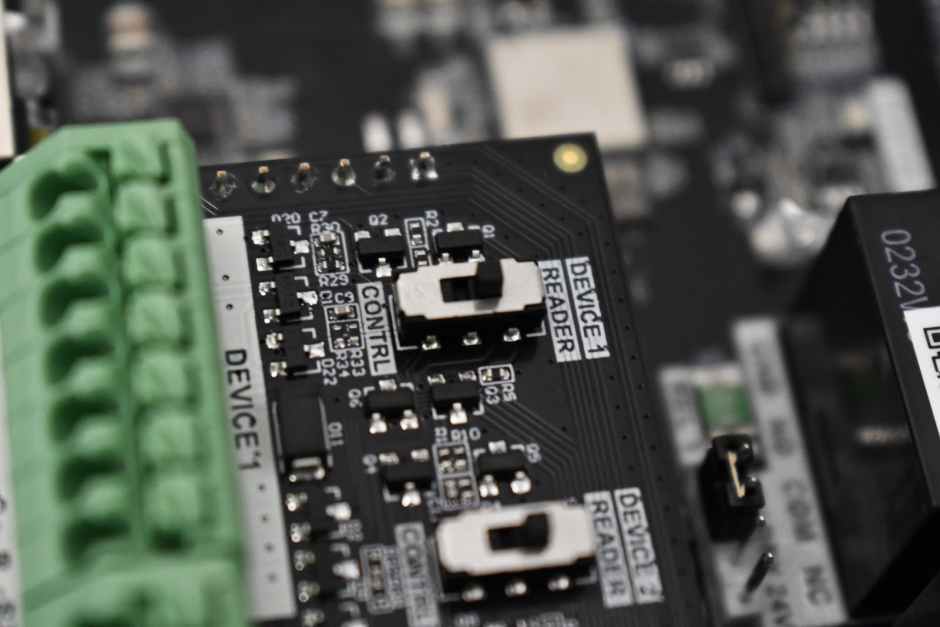
When finished, it should look similar to the pictures below.

Software setup
- Go to web.kisi.io.
- Click on ‘Places’ and select your place.
- Click on ‘Hardware’, ‘Controllers’, and select your controller.
- Scroll down and choose the Wiegand channel that corresponds to the QR code scanner that has been connected to the system.
- Click on ‘Type’ and select ‘Legacy Reader’.
- Click on ‘Search door or elevator’ and enter the door to unlock with the QR code scanner.
- Click on ‘Save’.
Creating a QR code
- Go to web.kisi.io.
- Click on ‘Credentials’, ‘Add credential’, ‘Single credential’.
- Click on ‘Card type’ and select EM410x 32-bit.
- Click on ‘Card ID’ and enter a number between 0 and 4,294,967,295. Remember this number.
- Click on ‘Assign to user’ and type the user email address you would like to assign to. Tip: If you want to use the QR code as a generic guest pass, you can create a fake user beforehand and assign this credential to this fake user.
- Click on ‘Add’.
- Click on the card previously created.
- Click on ‘Activate’.
- Now simply go to a QR code generator.
- Enter the Card ID you previously selected as raw data, and generate your QR code.
- The door will now unlock when you present that code to the scanner.
Tip: A smaller QR code is easier for the scanner to read.
Enable seamless QR access and management with the Kisi Terminal Pro
Ensure frictionless entry while reducing overhead with seamless unlock and check-in methods, including QR codes.
When to use QR code access control #
QR code access control systems are best suited for scenarios where access needs to be granted quickly, temporarily, or without requiring users to install an app or carry a physical credential.
One of the most common use cases is visitor access. QR codes can be sent in advance or generated on-site. This allows guests to scan and enter without requiring manual check-in. This makes QR code systems a practical solution for offices, coworking spaces, and shared buildings.
QR code entry systems are also widely used for check-in flows, events, and delivery access, where access needs to be granted for a limited period of time. In these cases, QR codes help streamline entry while maintaining control over who can access specific areas.
Additionally, QR code building access can be useful for contractors or temporary staff who need access for a defined period. By setting expiration times and access restrictions, businesses can manage access without issuing permanent credentials.
QR code scanners and door locks #
Modern access control relies on a seamless link between the digital credential and physical hardware. A QR code scanner (or a multi-technology reader) acts as that primary interface, which, mounted at the entry point, captures data and relays it to the controller for instant verification.
In high-traffic environments, businesses often move away from standalone QR code door locks in favor of integrated systems. If you use a device like the Kisi Terminal Pro, a single reader can process QR codes, mobile taps, and high-frequency cards. This consolidation reduces hardware clutter and supports a more flexible QR code check-in system for both employees and guests.
Apart from that, because the intelligence is managed through cloud software, the door scanner system can trigger a wide variety of electronic locks (from maglocks to electric strikes) the moment a valid code is presented. This way, while the user experience is simple, the backend remains an enterprise-grade security solution.

What are the advantages and disadvantages of a QR code door entry system? #
Advantage: cost efficiency and ease of use #
QR code access control systems are cost-effective to install and to maintain. There’s minimal use of devices which makes it a cost-efficient option. Apart from that it also reduces the need for physical credentials, such as plastic cards, which are commonly used in traditional access control systems.
QR code access systems also work quickly and accurately and allow business more control over the flow of people. People can be restricted to certain areas of the building and thus help maintain order and structure within your space.
Advantage: flexible access for visitors and temporary users #
Another benefit is flexibility. QR code door entry systems are especially useful for visitor access, check-ins, and temporary access scenarios where quick onboarding is required. In a Kisi-specific scenario, what makes the Terminal Pro the QR access solution of choice for many modern companies is its expanded capabilities which offer convenience, flexibility, and security.
Advantage: managing access at scale #
Entry systems with QR codes can help you manage large groups of visitors who visit your building and need rapid onboarding. When regularly updating and monitoring QR codes and access control systems, your organization can have a safe and efficient environment for all employees and visitors.
Disadvantage: security considerations and limitations #
Although the advantages do outweigh the disadvantages, there are still some downsides to relying on QR code access systems. Since QR codes are often easy to share, they can be forwarded or reused if not properly managed, which can limit security in certain environments.
Apart from that, static QR codes that do not expire can increase the risk of unauthorized access if they are not regularly updated or monitored. For this reason, QR code access is often best suited for temporary or controlled access scenarios rather than permanent credentials.
Simplify access with QR code entry systems #
QR code access control systems are one of the best ways to manage access. That applies especially to visitors, check-ins, and temporary users. They let you grant access quickly without relying on physical keys or cards and still keep control over who can enter and when.
With Kisi, QR codes are just one part of a broader access control setup. You can combine them with mobile access, keycards, and other credential types, depending on how your space operates.
If you're looking to set up a QR code door entry system or improve how you manage access today, you can explore how Kisi fits into your existing setup.

Get your modern access control playbook
Grab your free guide to building a flexible, secure, and future-proof space that just works.