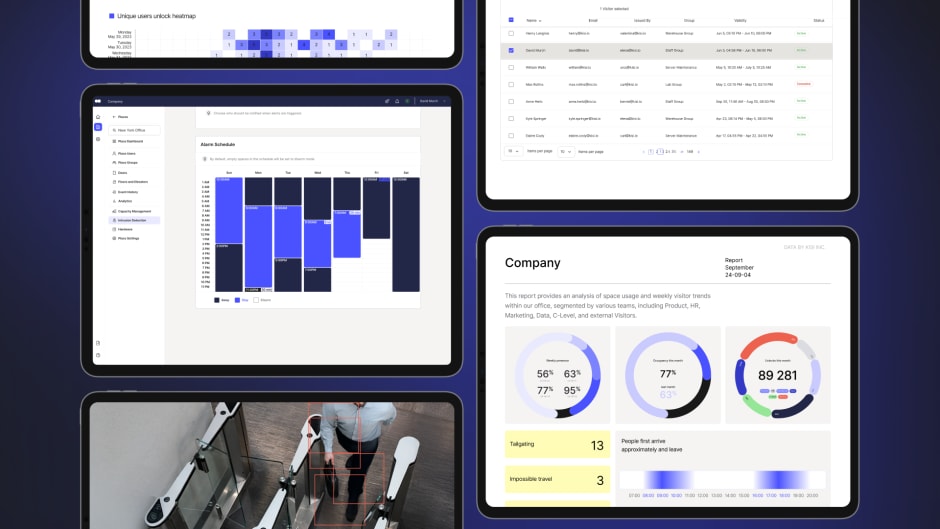
Avigilon Alta is a cloud-based access control platform built around the smartphone as the credential. If the name doesn't ring a bell, its previous one might. Avigilon Alta is what became of Openpath, the cloud access control startup Motorola Solutions bought in 2021. The product still runs on Openpath's mobile-first foundation, but it now sits inside Motorola's larger physical security portfolio. This review covers what the platform offers today, what it costs, who it fits, and more.
At a glance #
The history of Avigilon Alta #
The product's history matters here, because the name on the box has changed twice. Openpath launched in 2016 and built its reputation on cloud-managed, smartphone-first access control aimed at modern offices. Motorola Solutions acquired it in 2021, three years after buying video surveillance company Avigilon and a year before adding Ava Security.
In 2023 Motorola folded all three into a rebranded Avigilon suite: Avigilon Alta is the cloud-native side, built from Openpath and Ava technology, while Avigilon Unity is the on-premises line descended from the original Avigilon hardware business.
So if you find older material referencing Openpath, that's this product. The cloud architecture and the mobile credential system carried over. What changed is the ownership, the branding, and the depth of the video integration, since Alta access events now connect natively to Motorola's camera and analytics stack.
Being part of Motorola brings resources and a broad product ecosystem. It also means product direction follows the priorities of a large parent company, a point some competitors and former customers raise when discussing the platform.
Avigilon Alta key features #
Mobile-first access #
Alta was designed around the smartphone as the primary credential, with cards and fobs as the backup rather than the default. The signature feature is wave-to-unlock: hold a hand near the reader and the door opens using the phone in your pocket, over Bluetooth, Wi-Fi, or LTE.
Cloud management #
Administrators handle users, schedules, entries, and permissions from a web dashboard or mobile app. The system is serverless from the customer's side, with no on-premises management software to maintain. Remote unlock and real-time event logs come standard.
Video integration #
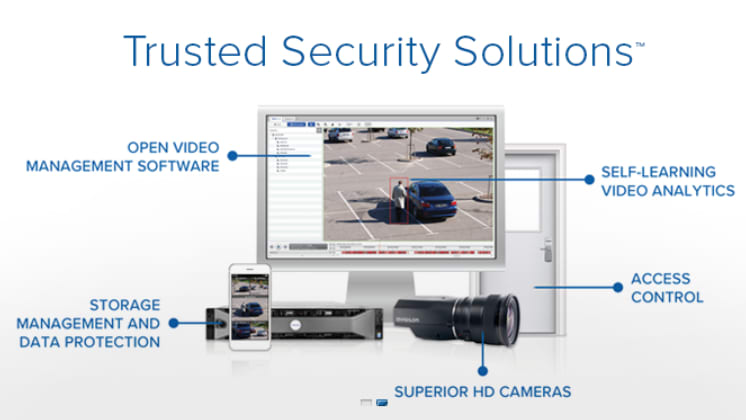
Alta connects access events with video through the Alta Aware platform and Motorola's camera line, so a door event and its footage can be reviewed together. Organizations already invested in Avigilon or Motorola video will find this the most natural pairing on the market. Those with third-party cameras should verify compatibility for their specific models.
Identity integrations #
Google Workspace, Microsoft Azure AD, and Okta are supported for user provisioning, and an open API allows custom integrations.
Hardware fail-safes and controller range #
Readers keep working through internet outages, credentials are encrypted end to end, and the readers store no credential data locally. Tamper alerts are built in as well. Also, single-door kits up to 4-door, 8-door, and elevator control boards cover deployments from one entry to hundreds across multiple buildings on the same system.
Avigilon Alta hardware #
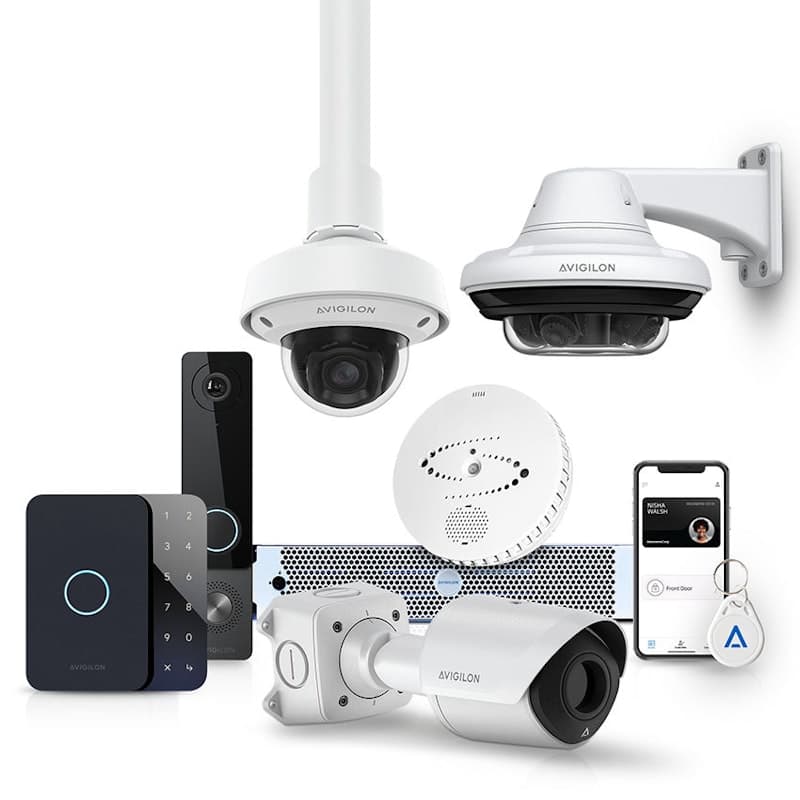
Alta's readers and controllers are proprietary. You buy Avigilon hardware to run the platform, and if you later switch providers, those readers come off the wall and don't come with you. Third-party installer material puts reader hardware at over $1,000 per door before installation, so the exit cost is real and worth factoring into a long-term decision.
The wiring story is friendlier than the reader story. Alta hardware uses standard wiring and RS-485 signaling over CAT 5/6, and the system is backward compatible with many legacy credential formats, so retrofits often reuse existing cabling instead of requiring a rip-and-replace. Every access point does need reliable network connectivity, which makes clean network infrastructure a prerequisite rather than a nice-to-have.
Avigilon Alta pricing #
Avigilon does not publish pricing. Quotes come through authorized installers and vary by deployment.
Third-party installer guides put the software subscription at roughly $5 to $20 per reader per month depending on tier and deployment size, with hardware making up 60 to 70% of the upfront investment. Installation typically adds $500 to $1,200 per door for standard deployments, with complex retrofits running higher. As a rough all-in figure for a typical commercial deployment, expect $2,500 to $5,000 per door covering hardware, software, and standard installation.
Since none of this is official, these numbers are more of an orientation rather than a quote, and since each business case is different, it’s ideal to ask installers for itemized hardware, licensing, and labor costs so you can compare like for like.
Who is Avigilon Alta best suited for? #
Alta fits mid-market and enterprise organizations that want mobile-first access and have the network infrastructure to support it. The strongest case is a company already using, or planning to use, Motorola's video products, since the access-plus-video pairing is where the platform is clearly aimed.
Commercial real estate, enterprise offices, education, and multifamily residential make up the core deployment base, and the controller range handles anything from a single retail door to a multi-building campus.
The fit weakens for small organizations without IT support, since the platform assumes solid network connectivity at every access point and quotes come through a partner-led sales process. It also weakens for anyone uncomfortable with proprietary readers, given the hardware cannot be repurposed if you switch platforms later.
Avigilon Alta reviews #
Positive reviews #
“The ease of use with Avigilon Alta has been a real treat. It is very intuitive and user friendly with fantastic customer support. I haven't even scratched the surface of all of the possible features. We rolled it out for our school district this summer and it has been a great tool that we use every day. Implementing schedules, groups, and security functions has been very straightforward.” — Source: G2
Negative reviews #
“Some of the legacy hardware and parts that need a refresh and improvement”. — Source: G2
How does Avigilon Alta compare to Kisi? #
Alta and Kisi are both cloud-native, mobile-first platforms, which makes this one of the closer matchups in the category. The differences sit in ecosystem and buying experience. Alta's video integration with Motorola's camera line is its distinguishing feature, and the platform leans toward mid-market and enterprise deployments sold through installer partners.
Kisi runs a broader named software integration ecosystem for verticals like coworking and fitness, and its mobile unlock does not require always-on location services, which addresses the most common complaint in Alta's user reviews.
For a full side-by-side covering hardware, pricing, integrations, and industry fit, see our dedicated comparison page.